A school’s community doesn’t end at the front entrance. It extends to every parent working the second shift during the fall play, every grandparent who moved across the country but still follows the basketball team, every alumnus who graduated a decade ago and still cares about what happens inside that building.
Most schools have no reliable way to reach these people. Email newsletters reach a fraction of parents. A Facebook post gets seen by whoever happens to be scrolling at the right moment — and disappears into the algorithm shortly after. A YouTube channel goes stale when the person maintaining it gets pulled back to their actual job.
Live streaming changes that equation. Not as a technology experiment, but as a practical infrastructure decision that expands who a school can reach, how it raises money, and how deeply its community stays connected over time.
Who Schools Can Reach Beyond the Building
Most schools underestimate the size of their potential live stream audience — because they’re only counting the people who would otherwise be in the room.
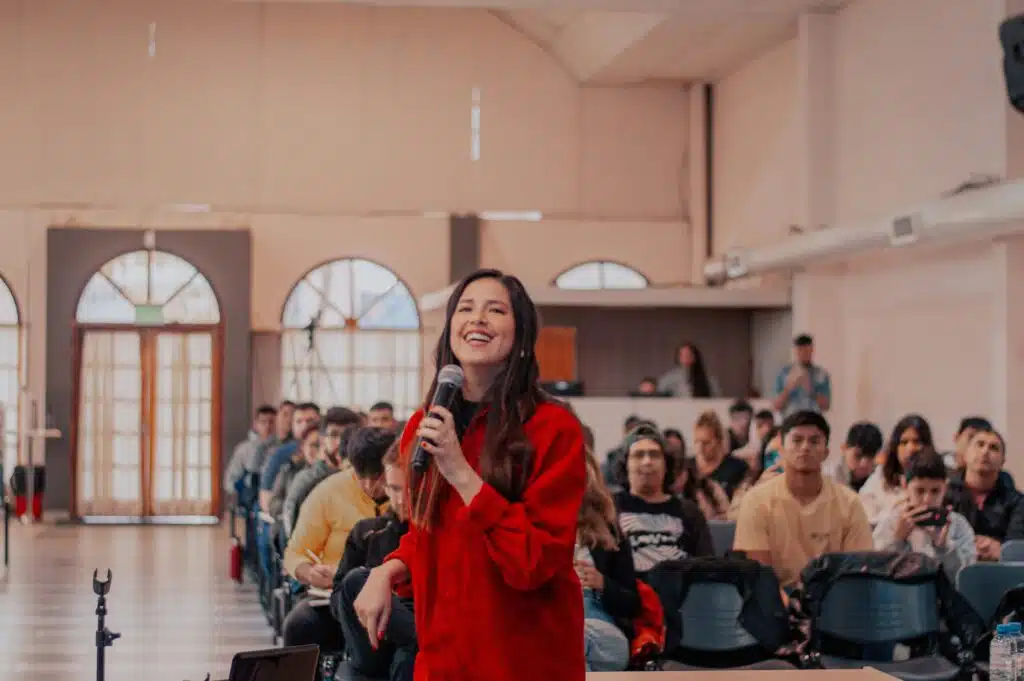
Second-shift parents can’t make it to the Thursday night concert, but they genuinely want to watch their child perform. Grandparents who followed the team for years and relocated to a retirement community still care about the season record. Alumni who graduated a decade ago are emotionally invested in the robotics program, the theater department, and the team that won regionals when they were seniors.
Then there are the community members with no students currently enrolled — people who vote on school board measures, attend public meetings, and have a genuine stake in what happens inside the building. Streaming doesn’t replace the in-person experience for any of these groups. It removes the barrier that was preventing them from being present at all.
The result isn’t a slightly larger crowd. It’s a fundamentally different understanding of who your school’s audience actually is.
How to Stream Fundraising Campaigns That Inspire Real Support
The fundraising live stream is one of the most underused tools in school development. Schools run silent auctions, benefit dinners, and mailed pledge drives — but the most effective fundraising mechanism available to them is largely untapped.
What makes live video different from every other fundraising medium is shared experience. When viewers watch a student’s story unfold in real time, see a goal thermometer climbing, and know that other families are watching and giving simultaneously, the emotional momentum drives giving behavior that a well-written email never could. Urgency is real. The social element is real. And that combination is hard to manufacture any other way.
QRclick makes the giving mechanism frictionless: a QR code overlay appears on the stream, viewers tap it, and they’re at the giving page without navigating away from the video or typing a URL. Friction is the enemy of generosity. Removing it matters.
The stream should also be available on demand after it ends. Latecomers, grandparents who heard about the campaign from their grandchild after the fact, community members who caught a social post two days later — these viewers convert too, if the recording is accessible and the giving link is still live. Resi On Demand handles that automatically, turning every live stream into a permanently available, branded content destination without extra steps from your staff.
Building Stronger School-Community Connections Through Live Streaming
Fundraising is one use case. The broader opportunity is community itself.
A school that streams board meetings, athletic events, graduation, concerts, and important announcements creates a consistent digital gathering place for everyone connected to the institution. That visibility builds trust. A school that shows its work, shares its events, and communicates transparently is a school that parents defend, alumni support, and community members vote for.
The alternative — a school that only appears in local news when something goes wrong — is fighting a much harder battle for the goodwill it needs.
Alumni engagement is a fundraising and advocacy asset that most schools leave completely untapped. Former students are among the most emotionally invested members of a school community, and they’re largely unreachable through in-person events. Streaming creates a consistent reason for them to stay connected. The alumnus who watches the homecoming game live from across the country is the same person who responds to a major giving campaign five years from now.
Live streaming analytics turn these community-building efforts into something measurable. Knowing how many people watched, where they tuned in from, and how long they stayed gives communications directors and development staff the data to understand their reach — and make the case internally for doing more of it.
Why the Performance Matters as Much as the Presence
Streaming a school event is one thing. Streaming it well is something else entirely.
A buffering graduation feed in front of families watching from six states away isn’t a minor inconvenience, it’s a reflection on the institution. A dropped stream during a student’s solo performance, a concert that cuts out with twenty minutes left, a board meeting that freezes mid-vote: these failures don’t just disappoint viewers. They erode the trust that live streaming is supposed to build.
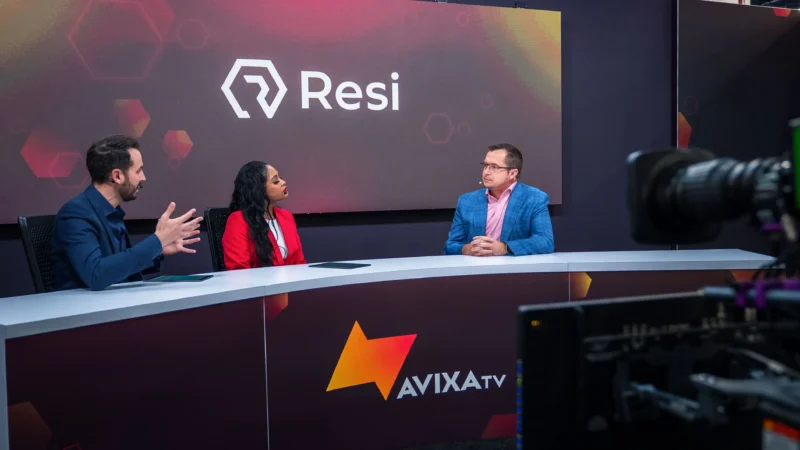
This is where infrastructure matters. Resi’s Resilient Streaming Protocol (RSP) keeps streams running on school networks — including the aging, congested campus infrastructure that most consumer streaming tools can’t handle reliably. Events go out the way they were meant to be seen. The technology stays invisible. And the program looks as professional as the work on stage deserves.
For schools evaluating their equipment, choosing the right encoder is one of the most consequential technical decisions in the setup process — and it’s worth getting right before the first high-stakes event.
Getting Leadership Buy-In for School Live Streaming
The ROI case for school live streaming is more straightforward than most administrators expect.
A fundraising stream that costs a few hundred dollars to produce and raises meaningfully more than that is obvious math. A graduation stream that parents in six states can watch has measurable community goodwill that extends well beyond the event itself. A board meeting stream that increases public participation has institutional value — and in states with live streaming mandates for school board meetings, it’s also a compliance requirement.
The trust argument is equally compelling. Families who feel included — who can watch the events their children participate in, who can access information about the school’s decisions — trust the institution more. That trust translates to parent engagement, volunteer involvement, community support, and the kind of institutional goodwill that makes everything from fundraising to policy change less of an uphill fight.
Starting small is the right approach. One event, streamed well, demonstrates more than any proposal or planning document. When that event goes flawlessly — when the video is clear, the stream doesn’t drop, and families three time zones away watch without a single issue — the conversation about doing more tends to take care of itself.
The Resi education live streaming platform is built specifically for how schools work: reliable on campus networks, manageable by non-technical staff, and ready for the high-stakes events where failure isn’t an option.